
HiPIMS Sputtering – What is it and how does it work?
What is HiPIMS?
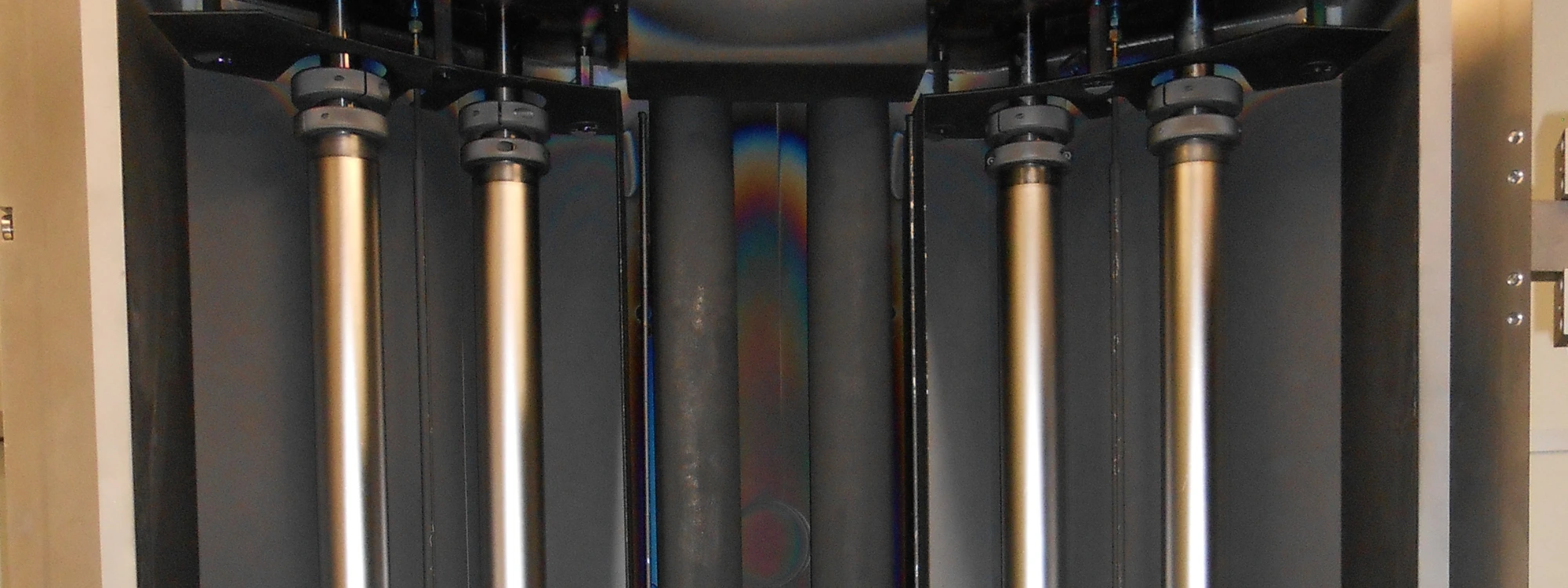
HiPIMS (High Power Impulse Magnetron Sputtering) is a variation of the magnetron sputtering technique. It is used to deposit thin layers of materials on different types of surfaces, using high-power pulses to improve performance over conventional magnetron sputtering methods.
How does HiPIMS sputtering work?
HiPIMS Sputtering is defined by the use of high-power pulses, which generate a high-current-density plasma that facilitates increased ionization of the coating material and improved deposition uniformity.
The process involves short instants in which pulses of energy are emitted, with better control over the quality of the deposited film. Due to the high degree of ionization, the deposited films achieve a higher density, using the energy very efficiently when coupled with proper polarization of the sample.
In which application fields is HiPIMS used?
The application of HiPIMS is common in fields where precision and efficiency in material deposition are of critical importance. In Particular:
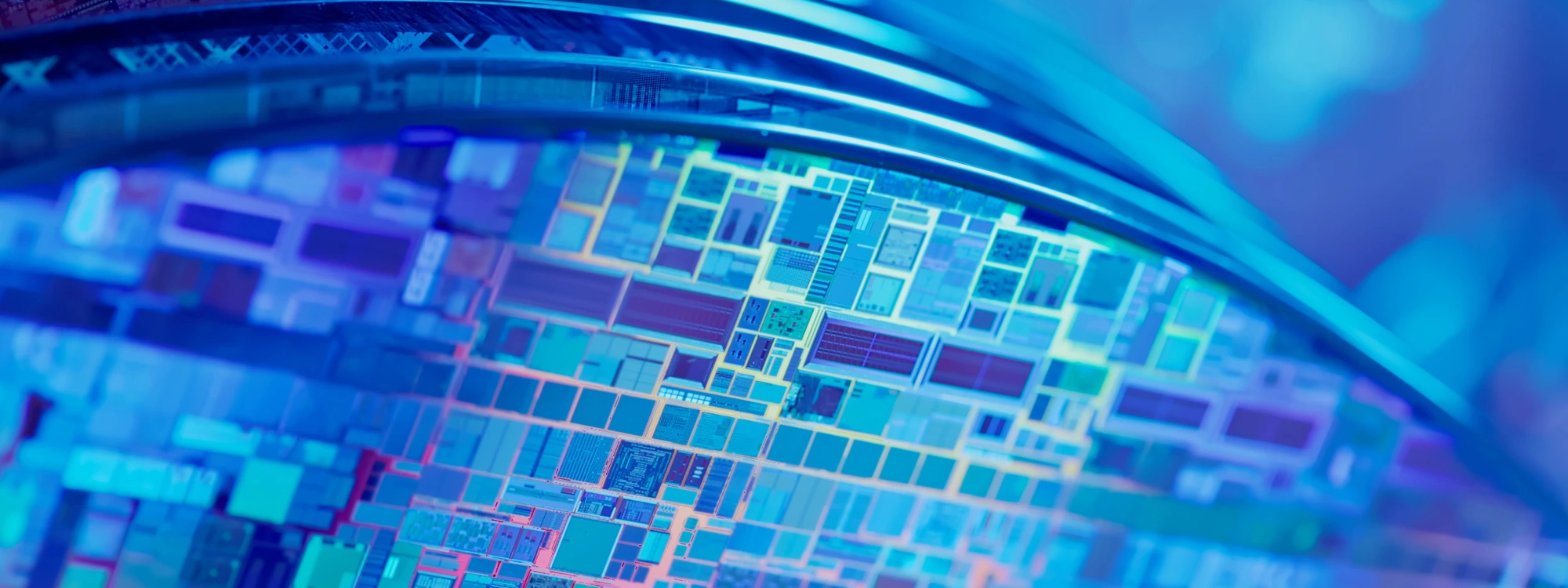
Semiconductors and Microelectronics: In the semiconductor industry, it is used to deposit thin layers of materials on silicon wafers. This application is crucial for the production of advanced electronic devices and integrated circuits.
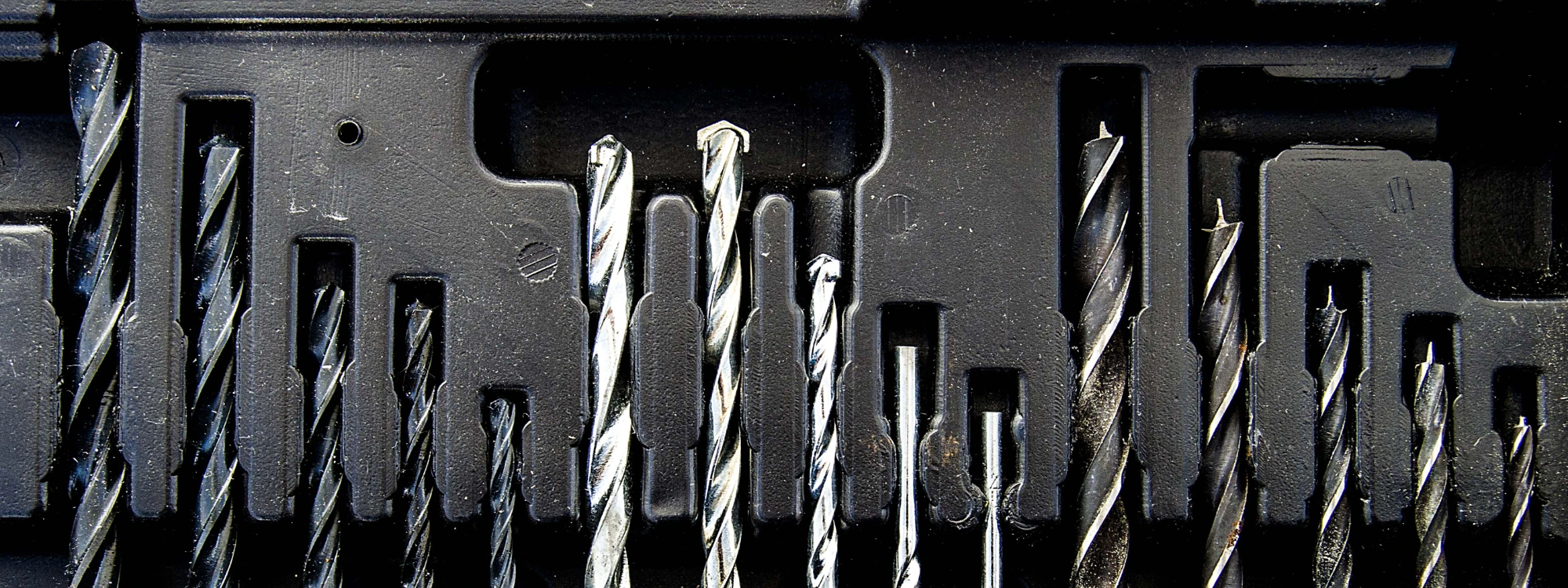
Tooling and Mechanical Components: In the metalworking industry it is used to deposit hard coatings on cutting tools and mechanical components. By reducing surface roughness, Hipims proves to be an essential tool for producing high-performance work tools.
In the Decorative Industry: For the production of premium finishes. Coatings produced with HiPIMS are durable and customizable, capable of meeting the aesthetic and functional needs of the market.
Optical Instruments and Lenses Industry: HiPIMS technology is used to deposit protective coatings on optical lenses, such as eyeglasses, camera lenses and telescopes. Thin coatings deposited with HIPIMS can improve wear resistance and optical transmission.
Aerospace Industry: In the aerospace industry, it is used for coating deposition on critical components such as engine parts and aerodynamic surfaces. Coatings deposited with HiPIMS can improve resistance to corrosion and high temperatures.
Energy and Power Generation: Used in the production of fuel cells, solar cells and advanced coatings for parabolic mirrors and other components in the renewable energy sector. It can improve the efficiency and durability of such devices.
Automotive: Employed in the automotive industry to produce wear-resistant, anti-reflective and protective coatings on parts such as wheel rims, rear-view mirrors and interior components.
The application of HIPIMS continues to expand due to its advanced deposition capabilities and improved properties of the resulting coatings. The technology finds use in industries that require superior performance, wear resistance, and accurate control of the deposition process.
Semiconductors
Tooling
Decorative Surfaces
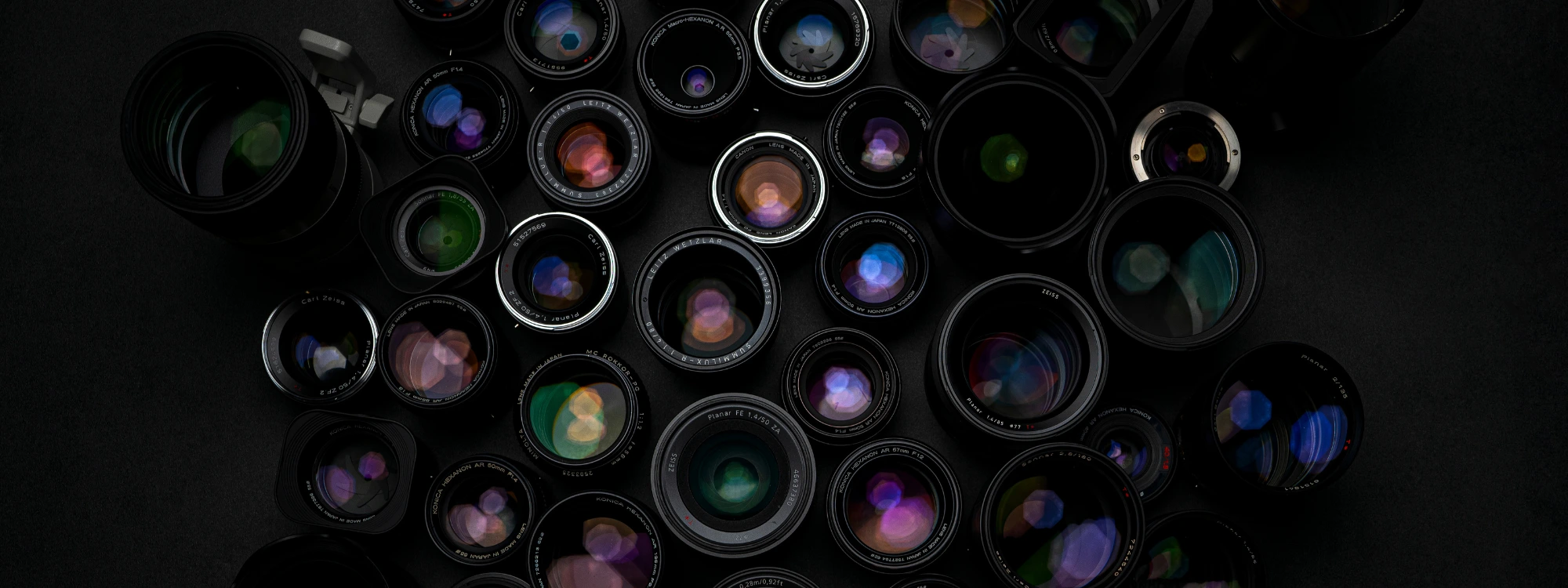
Optical lenses
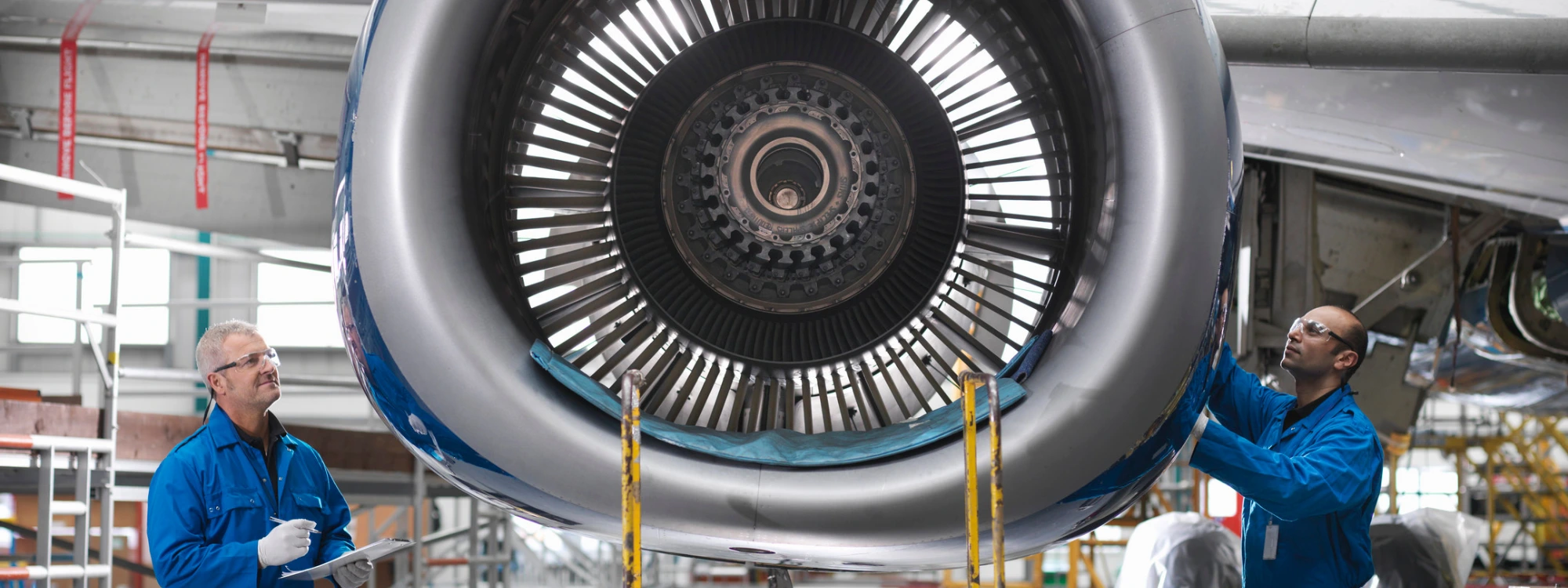
Aerospace
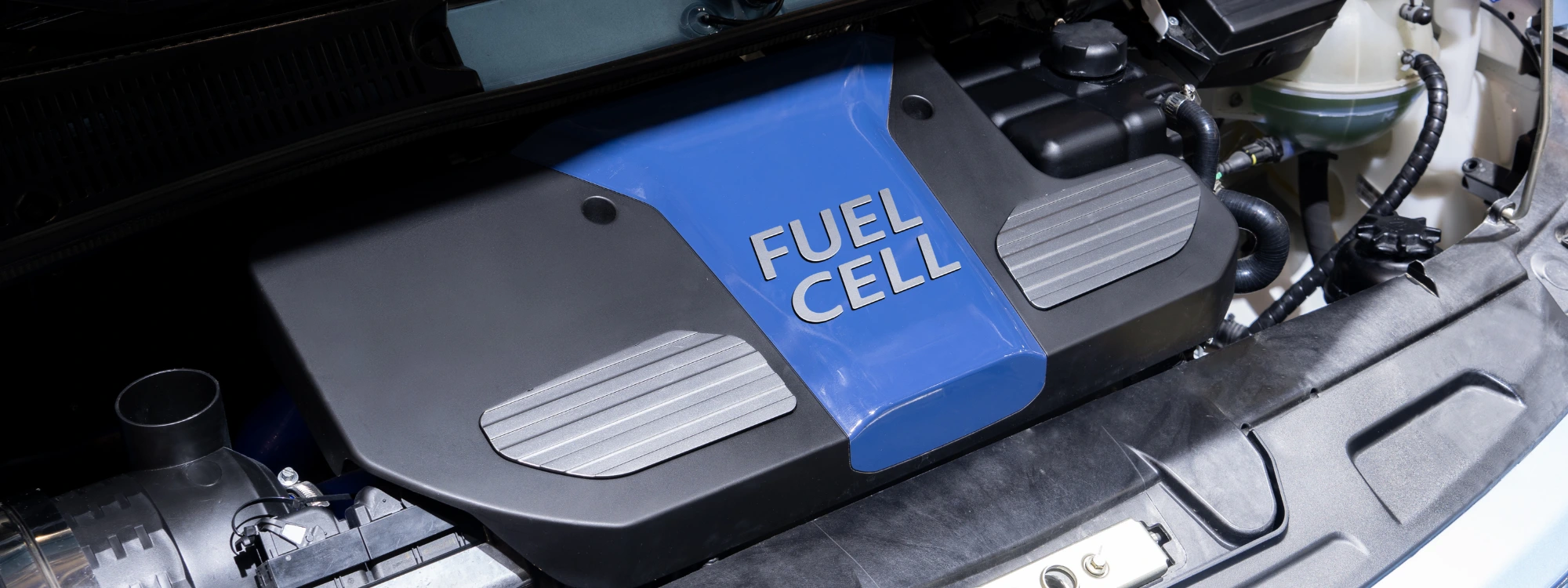
Fuel Cell
The Advantages and Disadvantages of HiPIMS Sputtering
Advantages of HiPIMS Sputtering:
High ionization – High ionization allows for more uniform and dense deposition of materials, improving deposited film properties such as adhesion and mechanical strength.
Highest Quality Finishes – Hipims maintains sputtering deposition quality and does not produce Droplets, which helps to decrease surface roughness and improve the quality of thin films.
Low Temperatures – A technology capable of operating at low temperatures.
Reactive Processes – Allows for reactive processes. These allow reactive gases to be used during the deposition process to change the properties of the deposited film and greatly expand the customization possibilities of deposited films. In this way, materials with specific properties can be obtained.
Disadvantages of Hipims Sputtering:
Reduced deposition rate – HiPIMS turns out to be a much slower process than deposition techniques by cathodic arc and DC sputtering. The Deposition rate of a HiPIMS-fed cathode is lower by several factors than that of cathodic arc.
Not all materials can be used as a Target – the HiPIMS allows deposition starting from conductive materials, which reduces the flexibility of using the technology. In all cases, while starting from conductive materials, compounds such as nitrides, carbides, and oxides can be deposited in reactive mode.

HiPIMS for eco-sustainable coatings
Sustainability is an increasingly relevant aspect of industrial and technological decisions. In the context of HiPIMS technology, significant positive environmental impacts emerge.
Indeed, HIPIMS is often used to deposit advanced materials that can improve barrier and protection properties, reducing the need for chemical treatments or additional coatings to protect the base materials. This contributes to cleaner production and less use of potentially environmentally harmful chemicals.
In Conclusion
In an ever-changing landscape, HiPIMS technology is not only an advanced solution to current challenges, but represents a significant step toward a future in which coatings manufacturing will not only meet the highest technical demands, but also strive to be a positive force for the environment. With a growing commitment to innovation and sustainability, HiPIMS will help shape the path of an industry critical to a cleaner, more advanced future.
Want to learn more?